
From Engagement to Enrolment: Building Communities That Convert in 2026

Building an engaged online community is one of the biggest priorities for universities today — but also one of the most misunderstood.
Too often, it’s treated as a content channel, when in reality it plays a far more critical role: influencing whether offer holders actually choose your institution.
Students don’t join communities just for updates or information. They join to understand what it feels like to be part of that university — to see if they belong.
From working in community engagement over the past four years, I’ve seen that the most successful communities aren’t just active — they influence decisions. In this post, I’ll break down what actually drives engagement, and why it matters for converting offer holders.
1. Community Listening and Feedback
One of the most overlooked drivers of both engagement and conversion is active community listening.
Offer holders are in a decision-making phase. They are comparing universities, looking for reassurance, and trying to picture where they belong. If your community creates space for them to express questions, concerns, and interests — and actually responds — it becomes far more than a communication channel. It becomes part of their decision-making process.
Your audience will always tell you what they need — if you create the right spaces to hear them.
This might include:
Introducing discussion topics based on common applicant questions
Creating spaces for specific concerns (accommodation, societies, course expectations)
Adjusting content formats to match how students prefer to engage
But listening alone isn’t enough. What drives real impact is visible action.
When students see their feedback shaping the community — whether through new spaces, events, or conversations — it builds trust. And trust is one of the strongest predictors of conversion.
Incentivised feedback can also play a role here. Whether it’s small rewards, recognition, or opportunities to be featured, students are more likely to contribute when there is a clear value exchange. More importantly, they are more likely to stay engaged when they see that their input leads to real change.
This cycle — listen, act, improve — is what turns passive members into engaged participants, and engaged participants into confirmed students.
2. The Power of Niche and Micro-Communities
Large communities can be powerful, but they can also make meaningful connections harder.
This is where niche or micro-communities become essential.
While the wider community provides a shared identity or purpose, micro-communities allow members to connect on a deeper level — often based on specific interests, goals, or experiences. These smaller spaces are where stronger relationships tend to form.
At CampusConnect, we’ve built this directly into how communities are structured, giving universities the ability to create and scale these micro-communities intentionally. What we’ve consistently found is that offer holders who connect with others from their course, or with a strong shared interest, are 3 times more likely to enrol.
However, a common challenge is overbuilding too early. Many community builders either:
Try to create too many spaces at the start, or
Over-engineer structure before understanding what members actually need
For offer holders, these smaller spaces are often where the real decision-making happens. It’s where they find “people like me” — and that sense of belonging can be the tipping point in choosing one university over another. In many cases, it already is.
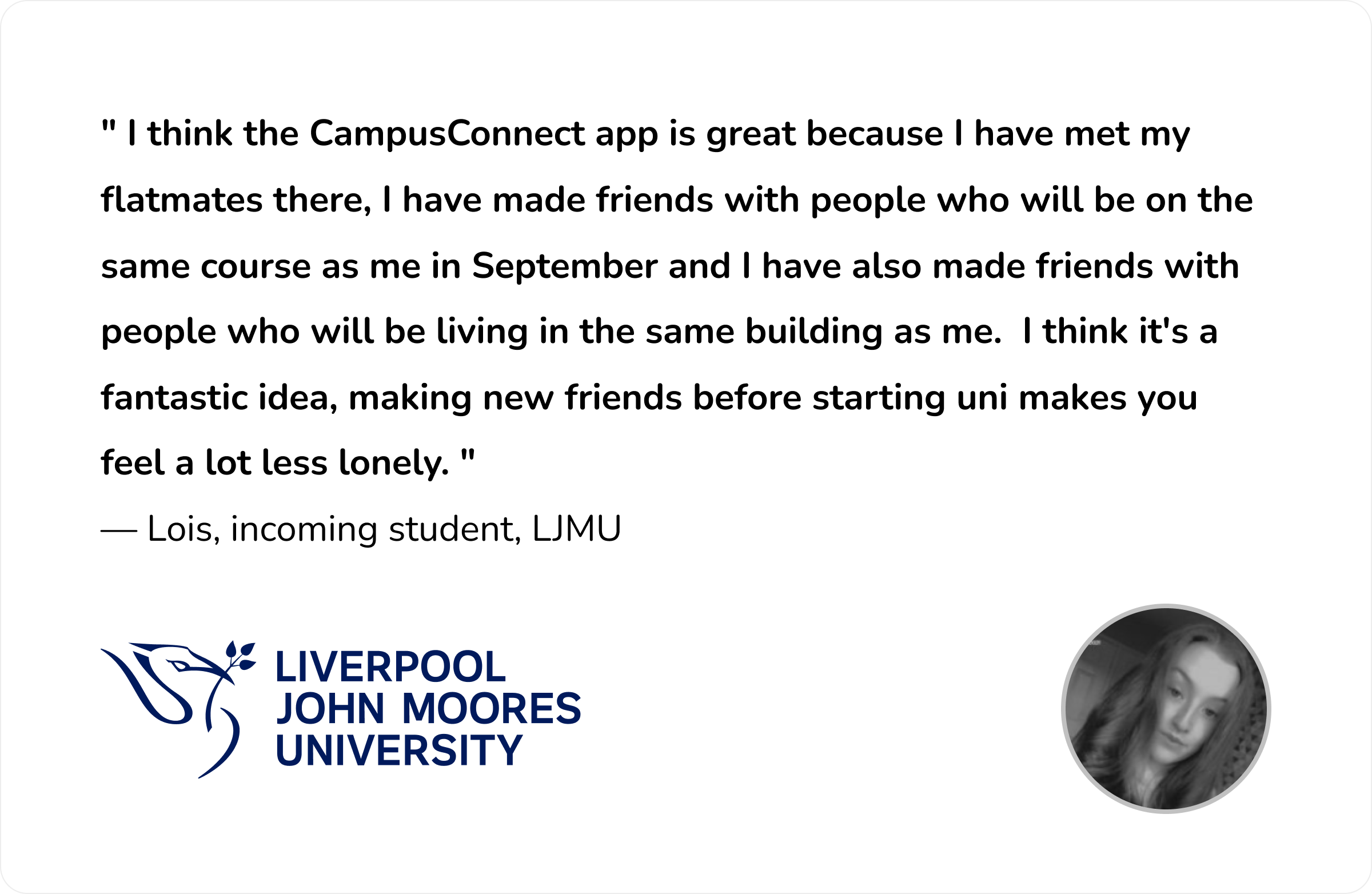
I know from building communities for some of our current clients with CampusConnect, how rewarding it is when you create a new space for students to connect with each other over a shared interest and they instantly want to engage. Whether it’s Taylor Swift fans, travel enthusiasts, or bookworms.
3. Community Development Is Ongoing, Not Optional
A strong community is not something you build once and leave to grow on its own.
It requires continuous development.
Without it, even the most active communities can slowly lose momentum. This doesn’t mean constantly adding new features or reinventing the platform. It means consistently asking:
Are members still engaging with existing spaces?
When was the last time we introduced something new or refreshed activity?
Are we responding to feedback and evolving accordingly?
Offer holders don’t make decisions all at once — their perception evolves over weeks and months. A community that continues to develop during this period keeps your university front of mind and reinforces their choice over time.
4. You Don’t Have to Build Alone
One of the biggest misconceptions in community building is that everything must be managed by one person or team.
In reality, the most successful offer holder communities often rely on shared responsibility.
In my current role as Head of Community at CampusConnect, I’m closely involved in community setup, engagement, moderation, and ongoing development. But equally, I’ve seen how powerful it is to empower others within the community itself.
This can take different forms:
Community ambassadors who support engagement and onboarding
Internal champions who help spark conversation during quiet periods
Incentivised contributors who take ownership of specific areas
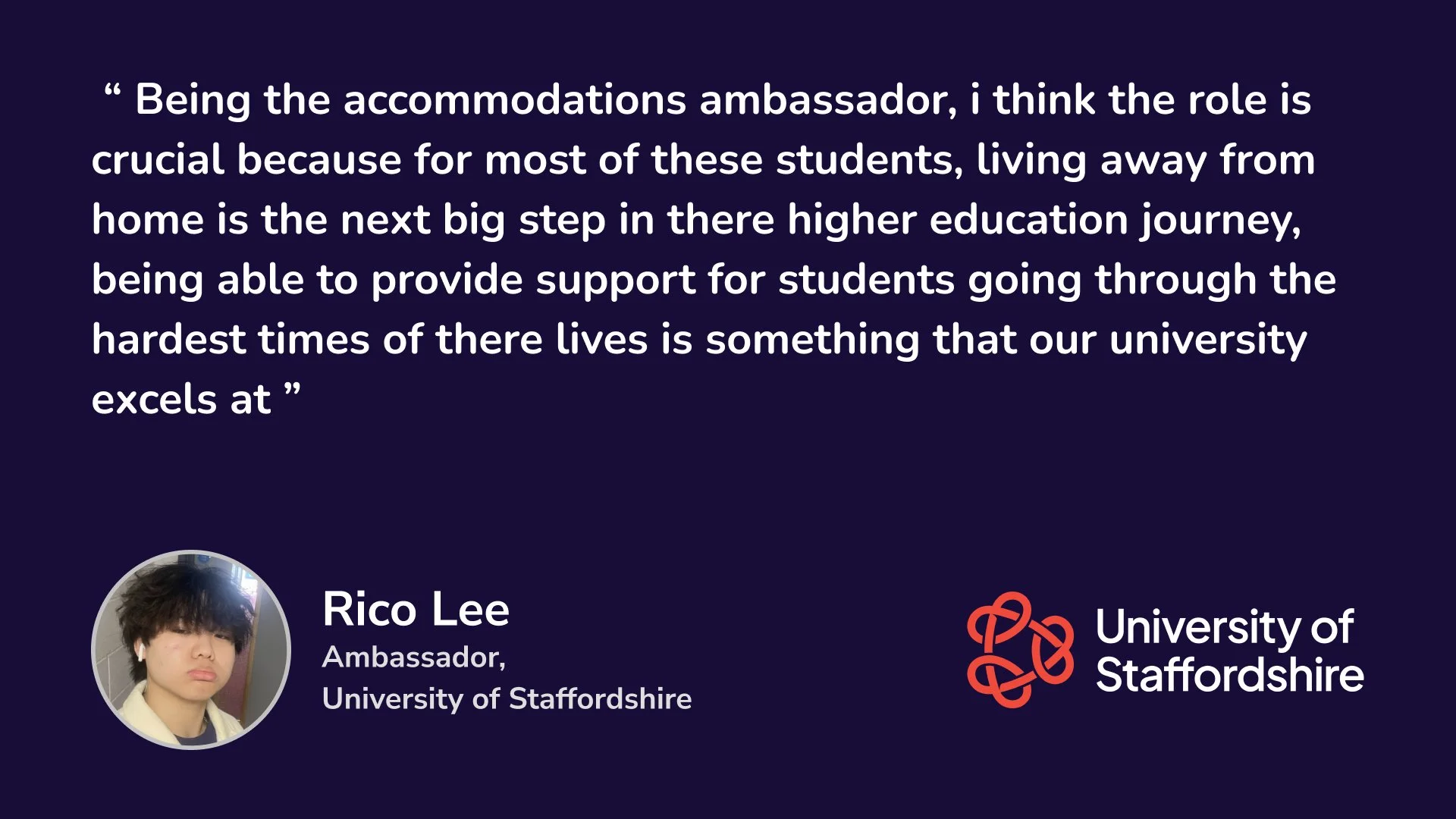
Prospective students often trust other students far more than they trust institutions. By empowering ambassadors and champions, you’re not just increasing engagement — you’re introducing authentic voices that influence decision-making in a way traditional marketing cannot.
When members feel ownership over parts of the community, engagement becomes far more sustainable.
With most clients, we’ve intentionally created defined spaces for each ambassador to contribute. This might involve leading a group, producing content, sharing insights, or supporting events. Establishing this kind of structure has made a noticeable difference in engagement. Ambassadors value having a clear area where they can take ownership, and it also helps ensure that participation stays balanced rather than being dominated by a few particularly enthusiastic individuals.
Final Thoughts
Building an engaged offer-holder community in 2026 is not just about activity — it’s about influence.
The universities that convert most effectively are not the ones that communicate the most, but the ones that create environments where students can see themselves, connect with others, and feel confident in their decision.
When done well, community doesn’t just support conversion — it becomes one of its strongest drivers.